Enzyme for Back-Staining Control in Denim Finishing
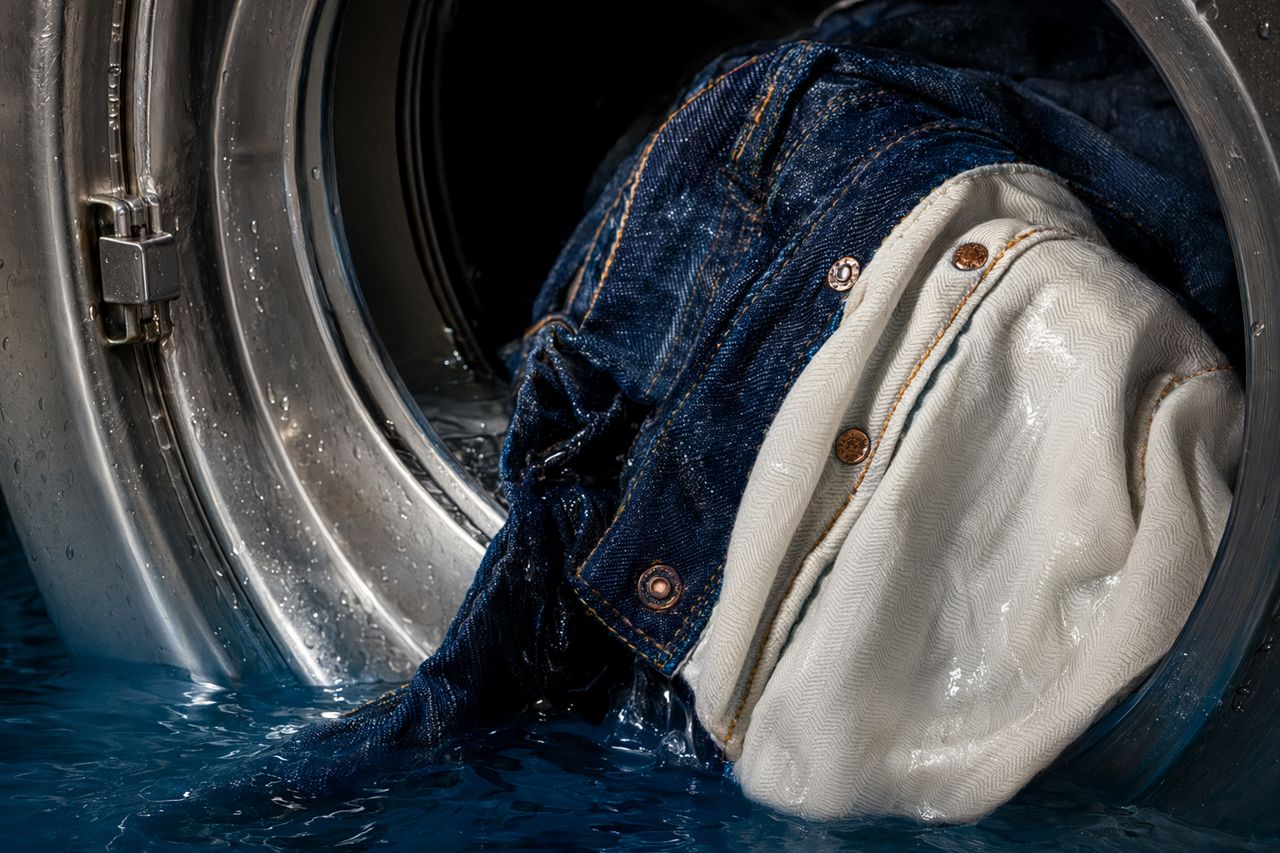
Back-staining control is not cosmetic cleanup. It protects the finish you built during desizing, abrasion, bleaching, neutralization, and softening. When released indigo, sludge, and fabric fines redeposit during the wash, pocket bags grey out, white weft loses contrast, and abrasion highs look dull instead of clean.
Enzymeszone is an enzyme supplier for denim washing focused on practical plant-floor control: cleaner contrast, tighter shade windows, fewer rewashes, and better batch-to-batch confidence. We supply denim laundries, garment wash houses and textile auxiliary distributors; pack sizes, quantities and delivery are quoted per order.
For laundries, wash houses and resellers. To get a quote, send the product or wash route, the quantity you need and the destination country. Request a quote
Built for laundries fighting redeposition
Back-staining risk increases when production pressure is high, fabric loads vary, water conditions shift, or abrasion releases heavy indigo into the bath. Enzymeszone anti-back-staining enzyme solutions are selected to help laundries manage these conditions without overcomplicating the process.
Use Enzymeszone when you need to reduce:
- Pocket bag staining and inner pocket greying
- White weft dulling after washdown
- Indigo redeposition on seams, labels, and lighter panels
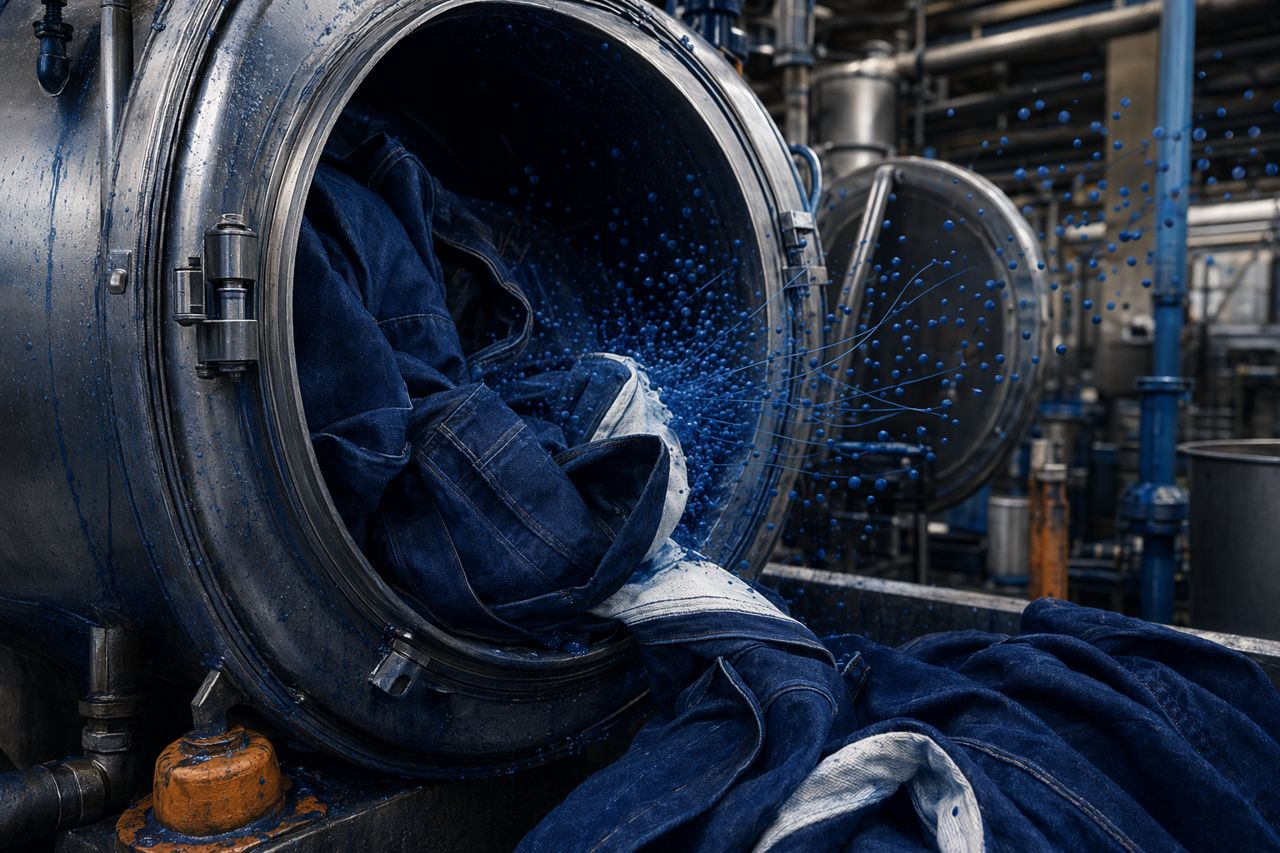
- Sludge carryover after abrasion or enzyme stonewash
- Inconsistent cast between bulk batches
- Rewash rates caused by muddy highs and lows
Anti-backstain agent in the cellulase bath
A concentrated anti-backstain powder made for denim washing is a polymer of special nonionic surfactants. In garment washing it keeps released indigo off the fabric, and the effect is strongest on pocket lining.
It runs in the same bath as the cellulase, which raises the anti-backstain effect, or it can be used on its own. Auxiliary formulators also blend it into anti-staining agents of different grades.
It is made to tolerate electrolytes, acid and alkali, and it sharpens surface contrast so the layers of the fabric look clearer.
| Setting | Typical value | What to confirm on your load |
|---|---|---|
| Treatment temperature | 25-65 °C | Fits both the cellulase step and your heat-up profile |
| pH | Neutral conditions, generally 6.0-8.0 | Same window as a neutral cellulase bath |
| Dose | 3-20% on weight of fabric | Set by trial: raw materials and process settings differ between plants |
| Storage | Sealed container, cool and dry, 2-25 °C, out of direct sunlight | Your dosing-area conditions |
Where back-staining control goes wrong
- The anti-backstain agent is left out of the cellulase bath, although running both in one bath raises the anti-backstain effect.
- The dose is copied from another plant instead of being set by trial on your own fabric, water and liquor ratio.
- The bath runs outside the neutral window the agent and the cellulase share.
- Opened stock is kept warm or unsealed in the dosing area.
Drum size is stated for each lot and quoted per order; ask for it with the quotation.
What the enzyme system helps protect
Cleaner contrast after abrasion
Abrasion targets only matter if the released indigo stays under control. Enzymeszone solutions help keep loosened dye and process soil from settling back onto garment surfaces, preserving sharper highs, cleaner lows, and more defined vintage character.
Pocket bag and weft clarity
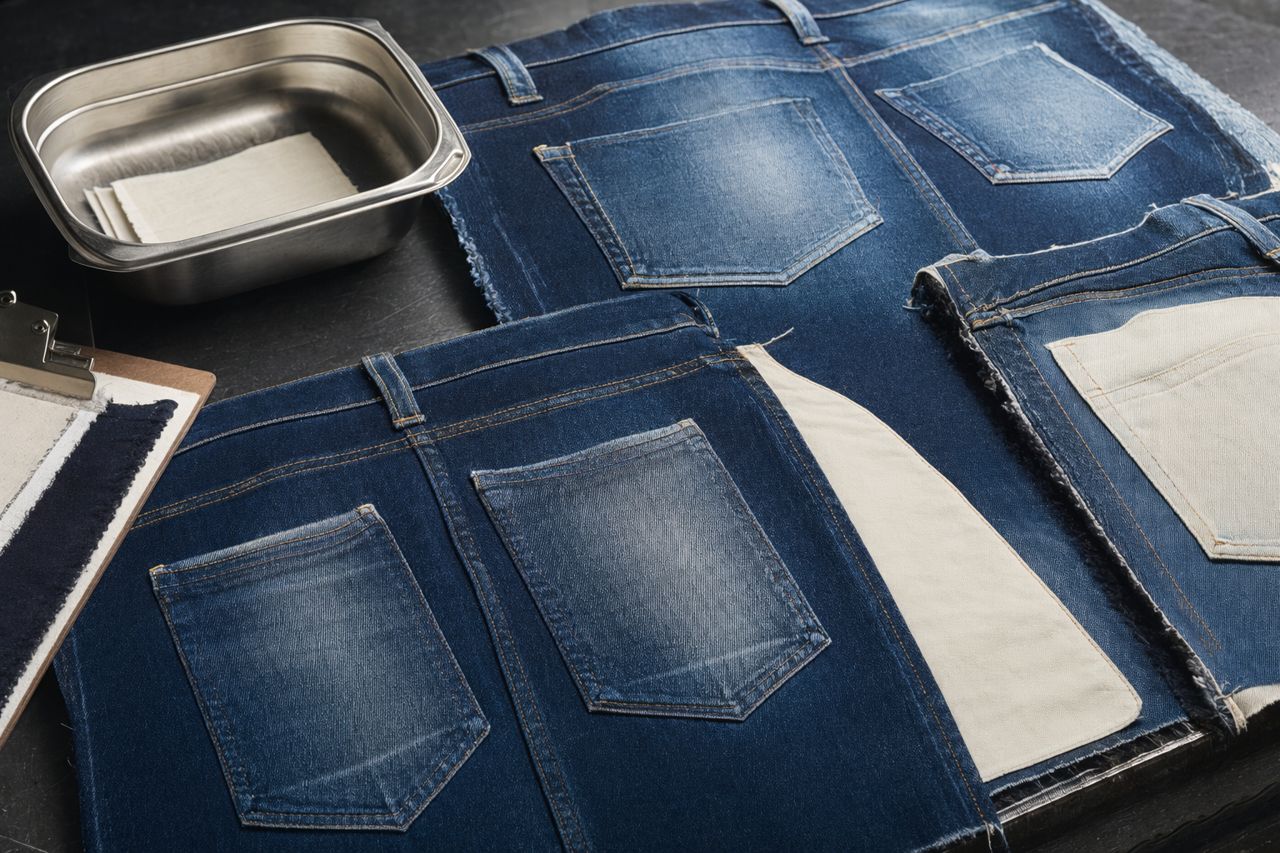
White zones are the first place back-staining becomes visible. The right enzyme-assisted anti-redeposition approach helps maintain pocket bag brightness and weft contrast while the garment moves through production wash conditions.
More consistent cast
A finish can pass in the sample room and drift in bulk. Enzymeszone supports shade control by helping laundries manage redeposition behavior across load sizes, fabric constructions, and wash routes.
Reduced rewash pressure
When garments leave the washer with grey pocket bags or dirty contrast, laundries lose time in correction cycles. Better back-staining control helps protect capacity, reduce handling, and keep delivery windows intact.
Where Enzymeszone fits in your denim route
Enzymeszone back-staining control enzyme systems can be evaluated across common denim finishing sequences, including:
- Cellulase abrasion routes
- Pumice-free wash programs
- Stone-assisted vintage programs
- Medium to light indigo shade reduction
- Clean cast and low-backstain finishes
- Stretch denim programs where handfeel and shade stability must stay balanced
Our team reviews the whole process, not only the enzyme addition point. Fabric construction, garment load, liquor movement, soil release, water quality, bath carryover, temperature profile, and downstream softening all influence the final result.
Production benefits for laundry managers
Tighter batch consistency
Control the variables that create shade spread. Enzymeszone helps laundries build more repeatable finishing windows, especially when fabric lots or garment weights change.
Better water-temperature flexibility
Denim plants do not always run under ideal conditions. We help select enzyme chemistry suited to your operating window so back-staining control remains practical during real production shifts.
Stronger handfeel control
Anti-back-staining performance should not leave garments harsh, flat, or overprocessed. Enzymeszone solutions are selected with final handfeel, drape, and fabric integrity in view.
Fewer defects at inspection
Cleaner whites, less redeposition, and more stable cast reduce common quality holds related to pocket bags, seams, panels, and inconsistent washdown.
What to send for a quote
To recommend the right Enzymeszone solution, share what your laundry is running now:
- Denim fabric type and garment construction
- Target shade and reference finish
- Current wash route and pain points
- Whether the process is pumice-free or stone-assisted
- Back-staining locations: pocket bag, weft, seams, labels, or panels
- Water-temperature range and cycle constraints
- Photos of approved standard and rejected bulk, if available
Request a quote for wholesale and bulk supply
If back-staining is creating rework, muddy contrast, or unstable cast, Enzymeszone can help you evaluate a cleaner enzyme-based control strategy for your denim laundry and quote supply for trial and production quantities.
Use the on-site request form and include:
- Product you need (cellulase, anti-backstain agent, or both for one bath)
- Quantity: trial amount and expected monthly volume
- Destination country for delivery
- Your process notes, target finish, and main back-staining symptom